

Gynecomastia Columbus Ohio
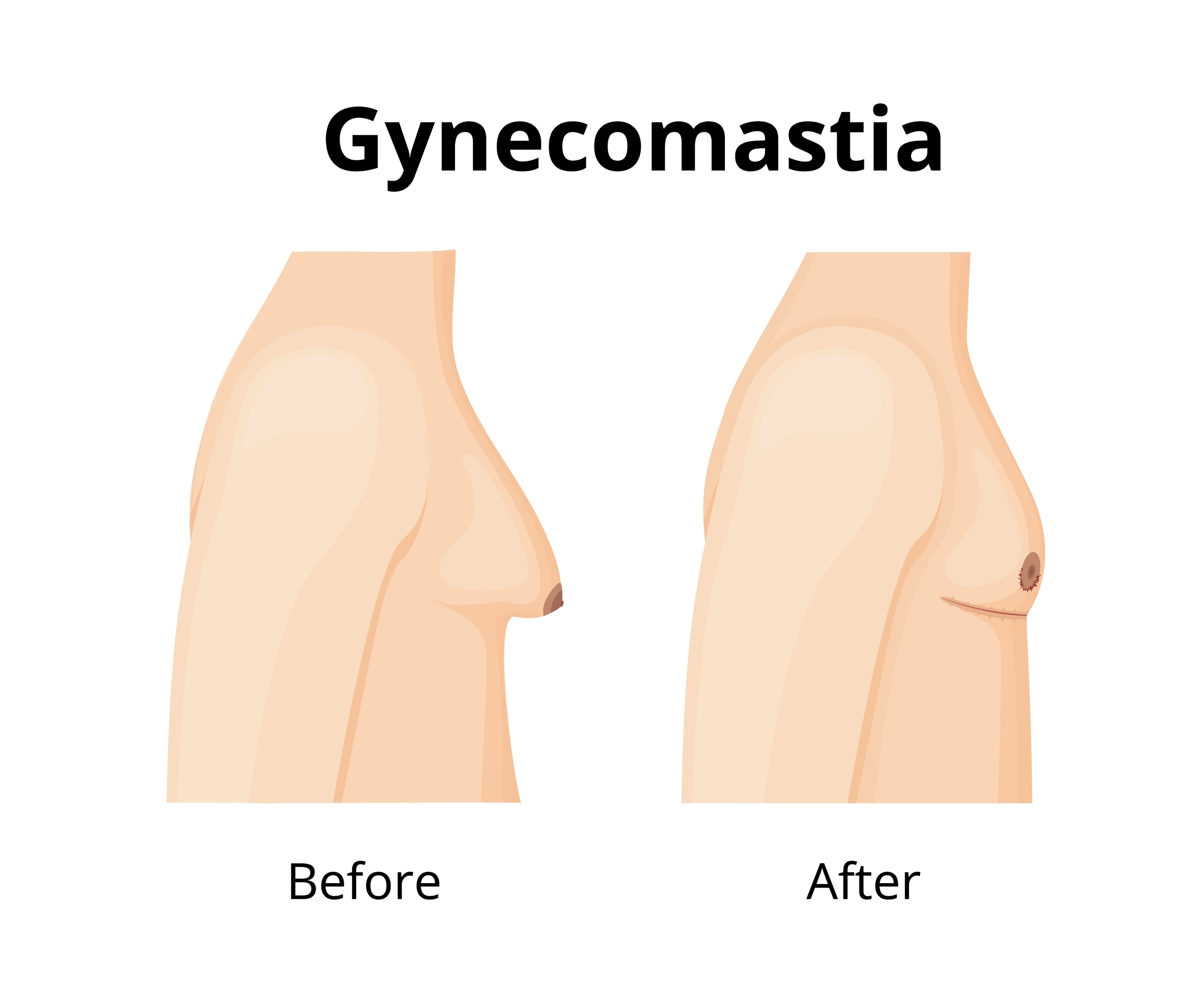
If you have enlarged breast tissue, excess fat, excess skin, or a combination of all three, you may have a condition known as gynecomastia—the swelling of breast tissue. If this is you, you’re not alone. Over 200,000 cases are reported in the United States every year, and it affects men of all ages. It’s not a dangerous condition, but it can sometimes be associated with pain, and can cause embarrassment in social settings. That’s where Columbus Cosmetic can help—by providing a male breast reduction.
Located in Columbus, OH, Columbus Cosmetic is led by Dr. Robert Houser and a dedicated team focused on patient comfort, safety, and results. With extensive experience in male breast reduction, Dr. Houser takes a thoughtful, personalized approach to treating gynecomastia, guiding patients through every step of care in a private, supportive setting. Our Columbus-based team is committed to helping you feel informed, respected, and confident from your first visit through recovery.

What Is Gynecomastia?
Gynecomastia is the enlargement of male breast tissue caused by hormonal changes in the body. It is not the same as weight-related chest fat and often involves the growth of glandular tissue rather than just fatty tissue.
True Gynecomastia vs. Fat-Related Breast Enlargement
True gynecomastia occurs when glandular breast tissue develops due to an imbalance of estrogen and testosterone. Fat-related breast enlargement, sometimes called pseudogynecomastia, is mainly caused by excess fatty tissue and may improve with weight loss and increased physical activity.
Key differences include:
- True gynecomastia: Growth of glandular tissue and breast gland structures
- Fat-related enlargement: Excess fatty tissue without glandular breast tissue involvement
- Mixed cases: A combination of glandular tissue and excess fatty tissue
A physical examination can help determine which type is present.
Causes of Gynecomastia
There are many possible causes of gynecomastia, and often more than one factor is involved. The most common cause of gynecomastia is hormone changes that disrupt normal testosterone production and levels of estrogen.
Gynecomastia can be linked to:
- Imbalance of estrogen and reduced free testosterone
- Hormonal changes during puberty or aging
- Primary hypogonadism or secondary hypogonadism
- Klinefelter syndrome
- Disorders of the pituitary gland or adrenal glands
In addition, certain medical conditions can increase the risk of developing gynecomastia by affecting the body’s hormone balance. Liver disease can interfere with how hormones are processed, which may lead to higher estrogen levels. Kidney disease, kidney failure, and renal failure can also disrupt normal hormone regulation, especially in advanced stages.
Men being treated for prostate cancer may experience breast enlargement as a side effect of hormone therapy that lowers testosterone levels. While rare, male breast cancer must always be ruled out when breast changes occur, making proper medical evaluation important. If you have any of these health conditions, seeking medical advice can help determine the cause of gynecomastia and the most appropriate next steps.


Medications and Substances Linked to Gynecomastia
Some cases of gynecomastia develop due to the use of medications or substances that affect hormone balance.
Common Triggers Include:
- Calcium channel blockers
- Certain heart and blood pressure medications
- Use of medications that alter testosterone levels
- Use of anabolic steroids or use of anabolic steroids for bodybuilding
- Human chorionic gonadotropin
- Recreational drugs
- Tea tree oil and products with estrogen-like effects
Always discuss your full medical history and medication use during your consultation.
Signs and Symptoms of Gynecomastia
The signs and symptoms of gynecomastia can vary from person to person and often develop gradually over years of onset. Many men first notice visible breast growth or breast enlargement beneath or around the nipple area. The affected tissue may feel firm or rubbery, which can help distinguish gynecomastia from simple weight-related chest fat. Some individuals also experience breast pain or tenderness, especially when pressure is applied.
In certain cases, the chest may appear uneven, with one side more enlarged than the other. As gynecomastia progresses, these physical changes can affect posture, clothing choices, and daily comfort. For some men, the condition may also impact mental health by causing embarrassment or self-consciousness in social situations.

Gynecomastia Across Different Ages
Pubertal and Prepubertal Gynecomastia
Pubertal gynecomastia is common in adolescent boys and usually resolves on its own as hormones stabilize. Prepubertal gynecomastia is less common and often requires medical attention to rule out underlying medical conditions.
Gynecomastia in Older Men
Older men experience gynecomastia more frequently due to natural declines in testosterone production and changes in estrogen levels. Weight gain, medical conditions, and long-term medication use can increase the risk of gynecomastia in this age group.
How Gynecomastia Is Diagnosed
Diagnosis begins with a detailed medical history and a careful physical examination. Your provider will review hormone changes, years of onset, weight gain, physical activity, and any symptoms you are experiencing.
Diagnostic Steps May Include:
- Physical exam and chest evaluation
- Review of medical conditions and use of medications
- Blood tests to measure testosterone levels, free testosterone, and levels of estrogen
- Imaging if needed to rule out breast cancer
This process helps determine the exact cause of gynecomastia and whether medical treatment or surgery is appropriate.

When Is Gynecomastia Surgery Recommended?
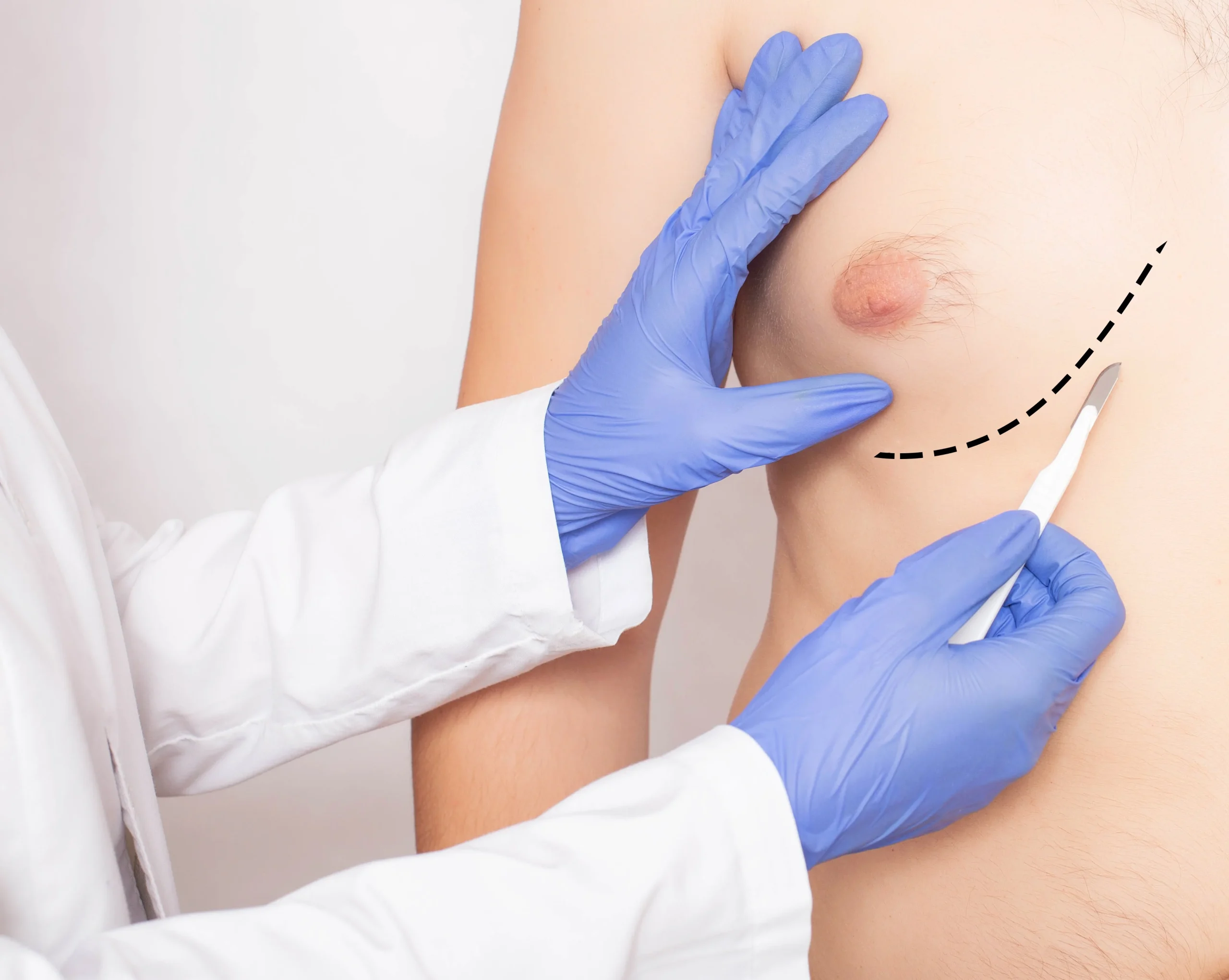
Medical treatment may help in early stages, but long-standing cases often require surgical correction. Gynecomastia surgery is recommended when excess breast tissue does not improve with lifestyle changes or when symptoms affect confidence and daily life.
Male Breast Reduction Surgery Options
Male breast reduction surgery may involve:
- Liposuction to remove excess fatty tissue
- Excision to remove glandular tissue and excess breast tissue
- A combination approach for severe cases
Gynecomastia Treatment Options and Candidacy
Gynecomastia can occur in many different degrees, from a fully developed breast to enlargement beneath the nipple. Different treatment options are available—usually liposuction, excision of breast tissue, or a combination of the two. Dr. Houser is skilled and experienced in both procedures, and a private consultation is the best way to determine if you’re a good candidate. They’ll want to confirm that your condition is indeed caused by a hormonal imbalance and is something that can’t be remedied through other means.
You’ll also need to be at a stable weight, in good physical health, and a nonsmoker. Although it is sometimes desirable to perform a gynecomastia in adolescent boys, often the condition will resolve itself after puberty, and it may be deemed best to hold off any procedures until full adulthood. If you are found to be a good candidate, the recovery time is usually about two weeks, and the results are often permanent.

Frequently Asked Questions About Gynecomastia
What causes gynecomastia to develop?
Can gynecomastia go away without surgery?
Is gynecomastia linked to breast cancer?
How long is the recovery after gynecomastia surgery?
Who is a good candidate for male breast reduction surgery?

Take the First Step Toward Confidence
Choosing treatment for gynecomastia is a personal decision, and where you turn matters. At Columbus Cosmetic, you’ll work directly with Dr. Robert Houser, D.O., a board-certified plastic surgeon with deep roots in Central Ohio and decades of experience helping patients feel comfortable and confident in their care. From your first consultation, Dr. Houser and his team focus on listening, education, and thoughtful guidance, so you never feel rushed or pressured into a decision.

Visit Columbus Cosmetic in Columbus Ohio
If you’re ready to explore your options for male breast reduction in a private, supportive setting, we invite you to schedule a consultation with Columbus Cosmetic. Call (614) 890-5565 to speak with a friendly team member or request an appointment today and take an informed, confident step forward.
If you’re ready to address gynecomastia in a setting that feels calm, private, and patient-focused, Columbus Cosmetic is here to help. From your first consultation to post-procedure care, you’ll be treated with the same level of comfort and attention you expect from a trusted healthcare provider.

Very friendly staff and comfortable environment! Definitely worth 5 stars. Thank you.
Dennis V.
I had a great experience and they even provided lunch. My procedure went well, modern equipment, friendly staff and a clean environment.
Russell K.
As a health care provider myself I understand quality patient care. Dr. Houser and his staff were perfect start to finish with my procedure.
James F.